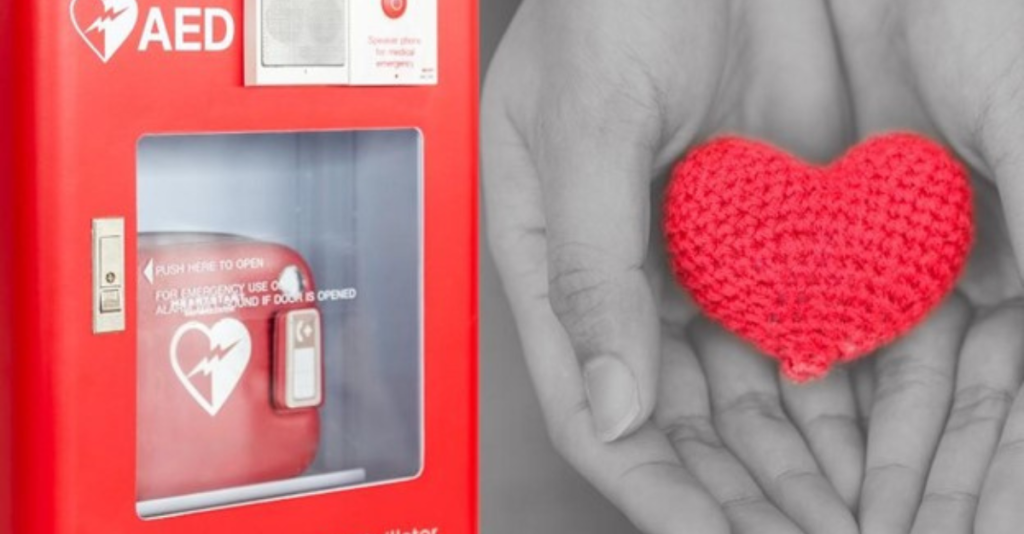
Key Takeaways
- An AED restores heart rhythm during sudden cardiac arrest.
- It analyses heart rhythm and delivers shocks when necessary.
- AEDs offer voice and visual prompts for ease of use.
- They are safe for use by the general public.
- CPR training increases AED effectiveness.
- AEDs must be stored in visible, accessible areas.
- Regular maintenance ensures AED readiness.
- Prompt AED use improves survival rates significantly.
In our daily lives, unexpected situations can arise, and being prepared can make all the difference. One essential tool that plays a crucial role in saving lives is the Automated External Defibrillator, commonly known as AED.
In this comprehensive guide, we’ll delve into the world of AED, understanding how it works, when it’s needed, and how you can use it effectively.

What is an AED?
An Automated External Defibrillator (AED) is a portable device designed to deliver an electric shock to the heart in cases of cardiac arrests. Any traumatic or medical emergency may lead to cardiac arrest.
AEDs are user-friendly and equipped with voice prompts, making them accessible to people with minimal or no medical training.
When is an AED Needed?
- Cardiac Arrests: The primary purpose of an AED is to respond to cardiac arrests. If someone collapses and is unresponsive, check for breathing. If there is no breathing or only gasping without actual rise and fall of the chest, it’s crucial to use an AED immediately.
- No Breathing: In layman context, AED can be used on casualties who are not breathing, or gasping without actual rise and fall of the chest.
When is an AED Not Needed?
When breathing is present: If the person is breathing, there’s no need for AED intervention. In such cases, you will focus on providing first aid and seek professional medical help.
How to Use an AED – Step by Step:
- Assess the Scene: Ensure the safety of the surroundings and check for any hazards before approaching the person in need.
- Confirm responsiveness: Gently shake the person and shout “Are you ok?” to determine if they are responsive.
- Call for Help: Instruct someone to call 995 for the emergency medical services.
- Get the AED: Instruct someone to get the nearest AED.
- Perform CPR: If the person is unresponsive and not breathing normally, begin CPR (cardiopulmonary resuscitation) by giving chest compressions.
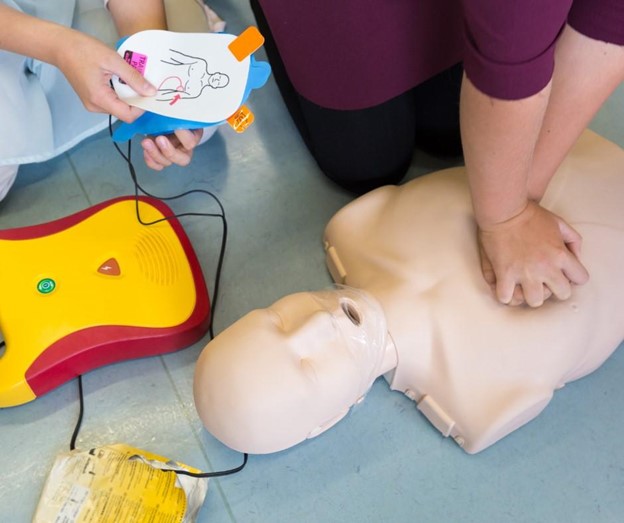
- Check for the 3 dangers before use of AED: Ensure that there is no water, metal or flammable gasses.
- Turn on the AED: And listen to the instructions given by the AED machine.
- Check the casualty’s chest: Check for jewelry, medicated patch, sweat, hair or pacemaker on the casualty’s chest.
- Apply Electrode Pads: Attach the electrode pads to the person’s bare chest as indicated on the AED pads.
- Analyze Heart Rhythm: Allow the AED to analyze the heart rhythm. Ensure no one is touching the person during this process.
- Deliver Shock (if advised): If the AED recommends a shock, make sure everyone is clear from the casualty, and press the shock button as instructed.
- Resume CPR: After the shock, resume CPR as directed by the AED until emergency medical professionals arrive.
Conclusion

An AED is a powerful tool that can make a significant impact during a life-threatening situation. By understanding when to use it and following the simple steps outlined above, you can contribute to saving a life.
Quick and decisive action is critical in emergencies, and knowing how to use an AED can make you a valuable asset in any community. Stay informed, stay prepared, and be a lifesaver!