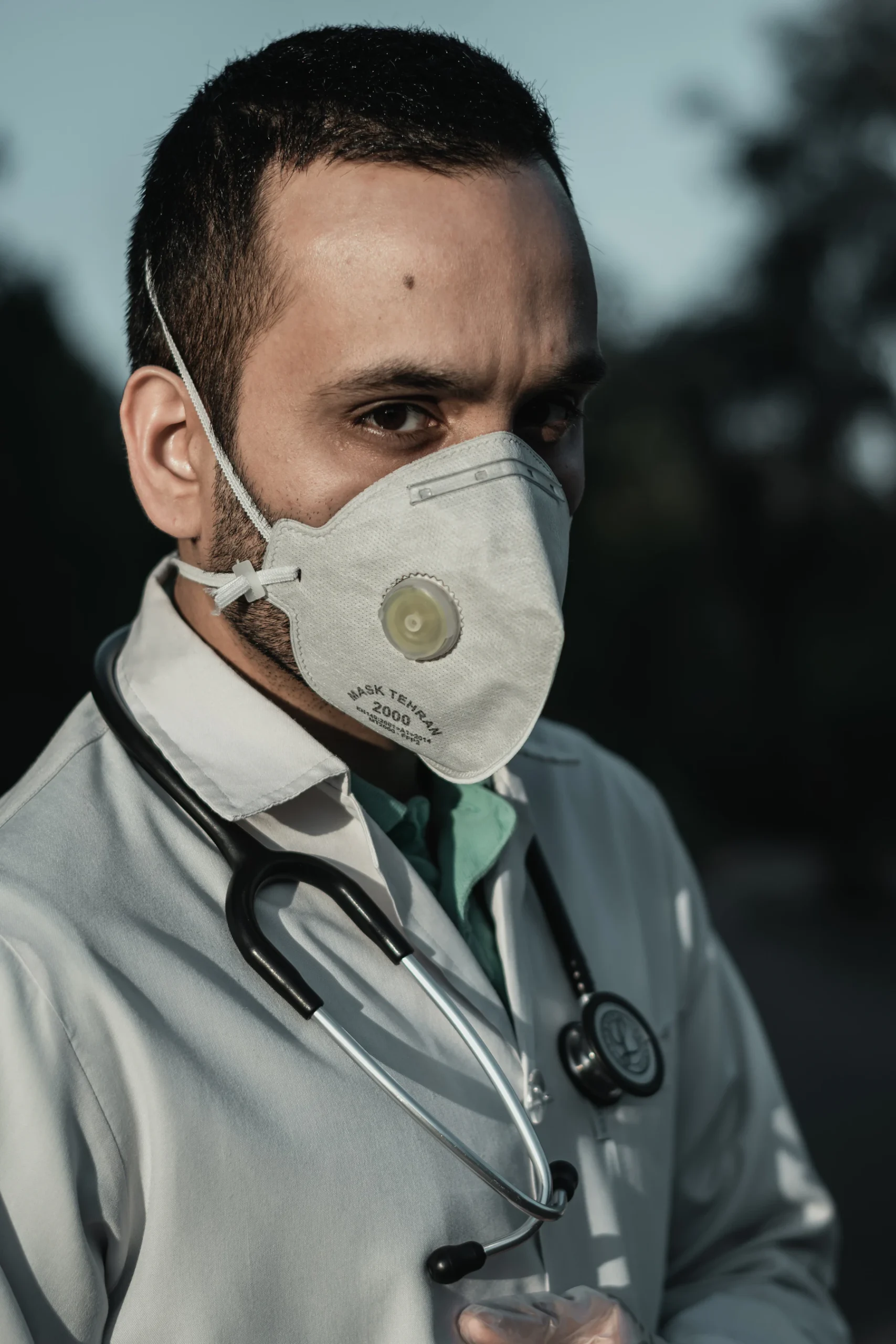
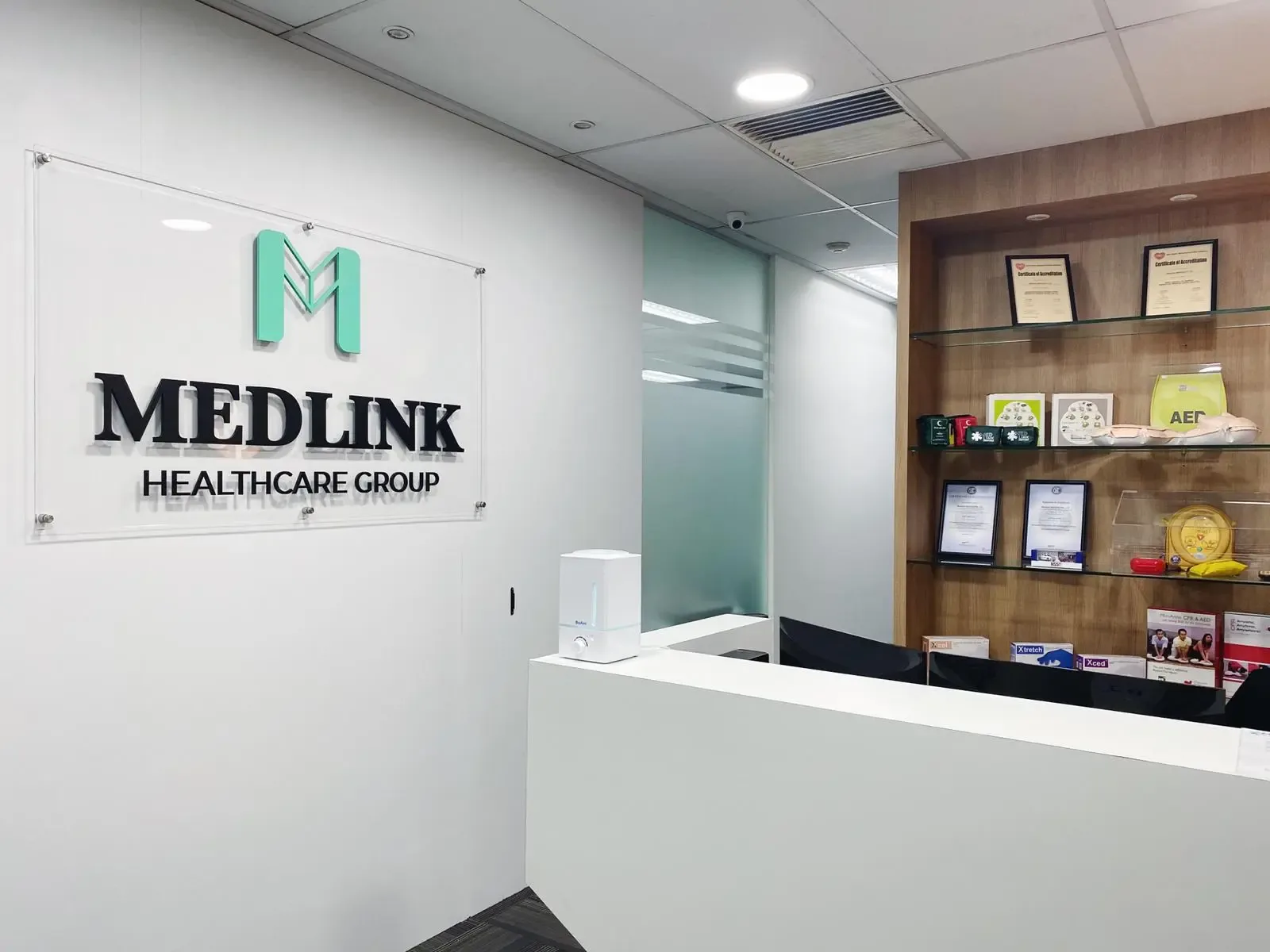
Built by experienced healthcare professionals and driven by a hospitality mindset, we are committed to delivering reliable healthcare solutions, quality care, and exceptional service to the communities we serve.
8+Years of experience
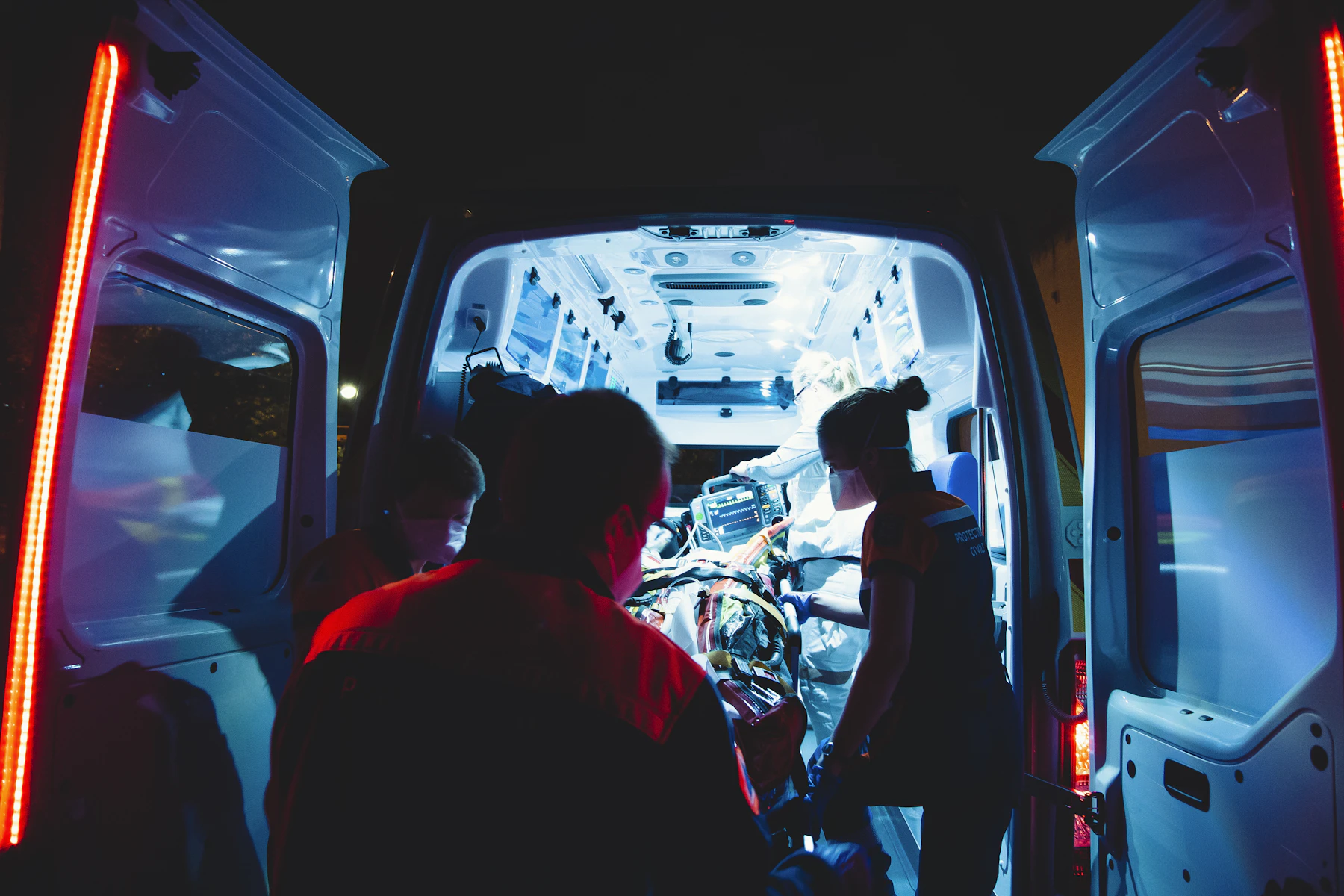
24/7Ambulance response
8National accreditations
Accredited & recognised by
Singapore Resuscitation & First Aid Council National Registry of Coaches Tripartite Standards WSQ & SWDA
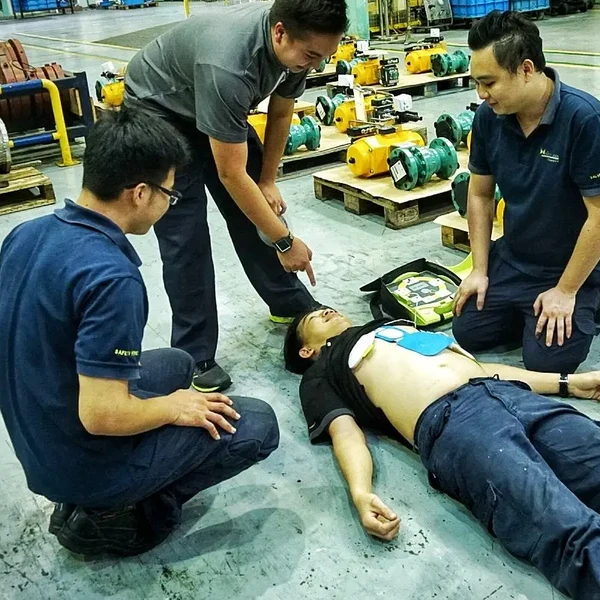
Founded in 2017 as a first-aid training centre, Medlink Healthcare Group has grown into a five-division healthcare provider. Our team is carefully selected for technical excellence, dedication and passion, including medical practitioners with extensive frontline experience.
Tell us what you need and our team will respond with the right course dates, rates or paramedic cover, usually within one working day.
Fields marked * are required. By submitting, you agree to be contacted about your enquiry.
Frequently Asked
Answers to Common Questions
Can’t find what you’re looking for? Our team is happy to help. Reach out any time.
Yes. Our courses are aligned with recognised bodies including the Singapore Resuscitation & First Aid Council, and we hold eight accreditations across our training and healthcare divisions.
Most first-aid and CPR/AED certifications are valid for two to three years. We offer dedicated refresher courses so you can requalify quickly without repeating the full programme.
Absolutely. We deliver on-site training, corporate awareness talks and medical support cover tailored to your team size, industry and schedule.
Yes. Our ambulance division offers 24/7 emergency response, medical transport and event standby cover crewed by trained responders. Call +65 6909 3203 for ambulance enquiries.
Simply send an enquiry through the form above, email [email protected], or call +65 6909 3202. We’ll share available dates and reasonable rates for your chosen course or service.
Resources & News
First-Aid Insights & Updates
Practical guidance from our medics to help you stay prepared at work, at home and in the community.