Key Takeaways
- Walking supports heart health and muscle strength.
- It helps maintain joint flexibility and mobility.
- Regular walking reduces stress and anxiety.
- Endorphin release during walks lifts mood.
- It aids weight management and boosts energy.
- Walking is a low-impact, beginner-friendly exercise.
- It’s a simple way to build consistent physical activity.
- Daily walking can improve sleep and mental clarity.
Walking is an easy yet powerful way to improve standard fitness and nicely-being. Regular on foot can:
- Improve cardiovascular health via strengthening the heart and reducing blood strain.
- Boost mental properly-being by means of reducing pressure, anxiety, and despair.
- Increase power stages and reduce fatigue.
- Support weight control with the aid of burning energy and constructing muscle.
- Enhance sleep pleasant by way of regulating sleep styles.
- Strengthen bones and muscle mass, reducing the threat of osteoporosis and fractures.
- Reduce the danger of chronic illnesses, such as type 2 diabetes, high blood pressure, and sure cancers.
Key Facts About Walking
To get the maximum out of walking, do not forget:
- Aim for 10,000 steps according today for choicest blessings, but even five,000-7,000 steps could make a distinction.
- Brisk walking (three-4 mph) is more effective than leisurely strolling for improving cardiovascular health.
- Incorporate hills or stairs to boom depth and assignment yourself.
- Walking with others can decorate motivation, social advantages, and duty.
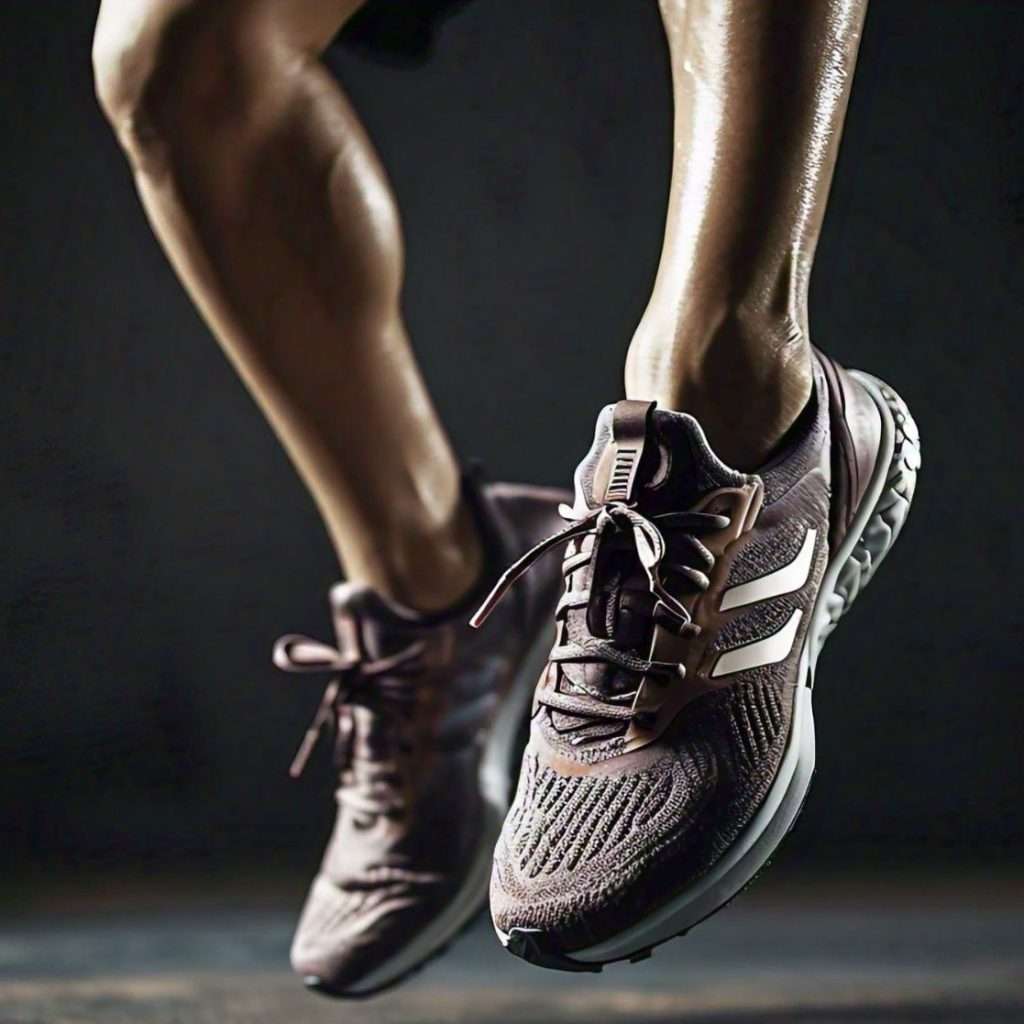
- Proper shoes and snug clothing are crucial for harm prevention and luxury.
Walking and Heart Health
- Walking is an exceptional way to assist heart health:
- Lowers blood stress and reduces the hazard of hypertension.
- Increases HDL (true) cholesterol and reduces LDL (bad) cholesterol.
- Reduces triglycerides and improves common lipid profiles.
- Improves stream and blood waft, lowering infection.
- Decreases the risk of coronary heart sickness, stroke, and cardiovascular mortality.
Fun Ways to Walk
Make on foot enjoyable:
- Explore new neighbourhoods, trails, or parks.
- Walk with friends, your own family, or pets for social guidance.
- Listen to tunes, podcasts, or audiobooks to stay engaged
- Try walking challenges or apps (e.g., step counters) for motivation.
- Incorporate brief bursts of faster walks for added intensity.
Less Strenuous Activities Beneficial for Health
Consider those low effect sporting events:
-
Yoga
Improves flexibility, stability, and intellectual nice-being.
-
Swimming
Supports cardiovascular fitness and joint mobility.
-
Cycling
Enhances cardiovascular fitness and leg strength.
-
Tai chi
Improves balance, flexibility, and intellectual attention.
-
Gardening
Supports bodily pastime, intellectual proper-being, and nutrients.
-
Light stretching or Pilates
Enhances flexibility, balance, and middle strength.
-
Dancing
Improves cardiovascular health, coordination, and mental proper-being.
Benefits of these sports:
- Improve flexibility and balance
- Enhance cardiovascular fitness
- Support intellectual well-being
- Strengthen muscle mass and bones
- Can be changed to match fitness ranges
Additional Tips
- Consult a healthcare professional earlier than beginning a brand-new exercise habit.
- Schedule on foot into your daily recurring.
- Mix up your walking direction or activity to keep away from boredom.
- Track development with a magazine, app, or fitness tracker.
- Make walking a social hobby to decorate leisure.
References:
- American Heart Association. (2017). Physical activity and health. Circulation, 136(10), e727–e743. doi: 10.1161/CIR.0000000000000511
- *Centers for Disease Control and Prevention. (2020). Physical activity basics. Retrieved from (link unavailable)
- *Harris, S. E., & Owen, C. G. (2006). Physical activity and cardiovascular disease risk. Journal of Cardiovascular Nursing, 21(3), 238–244.
- *Lee, D. C., & Pate, R. R. (2017). Benefits of walking for cardiovascular disease prevention. Journal of Clinical and Diagnostic Research, 11(9), OE01–OE04.
- *U.S. Department of Health and Human Services. (2018). Physical activity guidelines for Americans (2nd ed.). Retrieved from (link unavailable)