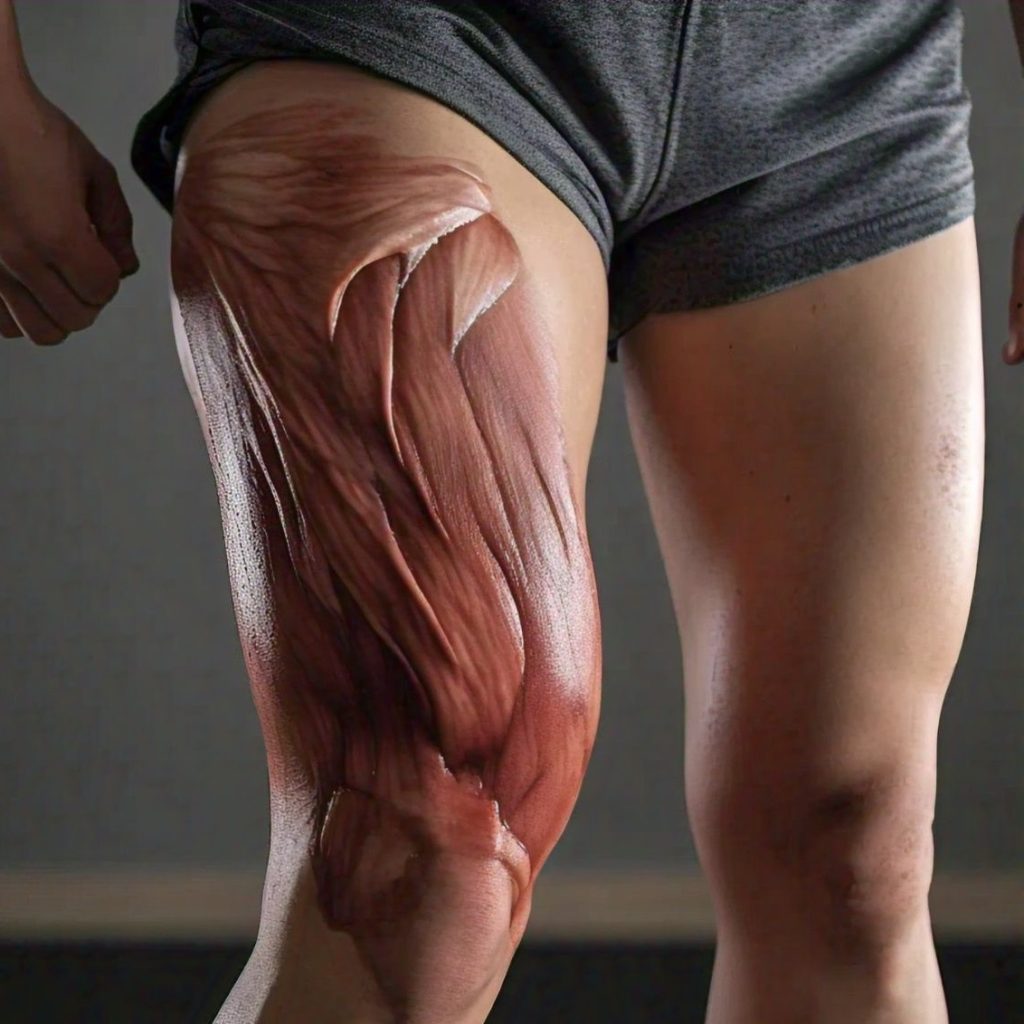
Rhabdomyolysis is a severe and potentially life-threatening medical condition characterized by the breakdown of skeletal muscle tissue, releasing muscle contents into the bloodstream. This can lead to:
- Renal failure
- Electrolyte disorders
- Cardiac arrhythmias
- Respiratory failure
- Sepsis
- Death
Common Causes of Rhabdomyolysis
- Prolonged muscle exercise or heavy weight training
- Inadequate nutrition or dehydration
- Exercising while sick or with elevated body temperatures
- Consuming certain medications or drugs (e.g., statins, corticosteroids)
- Engaging in arduous repetitive exercise (e.g., spin cycling, CrossFit)
- Trauma or crush injuries
- Extreme temperatures or environmental conditions
Signs and Symptoms of Rhabdomyolysis
- Muscle ache or pain (often severe)
- Swelling of involved muscles
- Dark or tea-colored urine due to myoglobinuria
- Fatigue, weakness, or loss of muscle function
- Nausea, vomiting, or confusion
- Decreased urine output
How does rhabdomyolysis cause urine to be brown?


-
Muscle damage
Rhabdomyolysis leads to muscle breakdown, releasing myoglobin and other muscle contents into the bloodstream.
-
Myoglobin release
Myoglobin, a protein in muscle cells, is released into the bloodstream.
-
Kidney filtration
The kidneys filter the bloodstream, attempting to remove waste products, including myoglobin.
-
Myoglobinuria
Excess myoglobin in the bloodstream overwhelms the kidneys, causing it to spill into the urine.
-
Urine discoloration
Myoglobin in the urine gives it a characteristic brown or tea-colored appearance due to its pigmented nature.
Brown urine may also have other characteristics:
- Dark or amber-coloured
- Cloudy or turbid
- Strong or pungent odour
Other signs of rhabdomyolysis-induced myoglobinuria:
- Decreased urine output
- Increased serum creatinine kinase (CK) levels
- Electrolyte imbalances (e.g., potassium, sodium)
Prevention Strategies
- Proper hydration before, during, and after workouts
- Avoid exercising while sick or with fever
- Gradually progress exercise intensity and duration
- Take regular rest with stretching
- Attend beginner exercise classes and progress slowly
- Listen to your body: stop exercising if experiencing muscle weakness, pain, or fatigue
- Balance electrolytes through diet and supplements
- Consult a doctor before starting new exercise programs
Additional Tips
- Warm up and cool down properly
- Monitor urination frequency and color
- Avoid excessive exercise intensity or duration
- Stay hydrated during and after exercise
- Seek medical attention if symptoms persist or worsen
Treatment and Management
- Immediate medical attention if symptoms occur
- Intravenous hydration and electrolyte replacement
- Monitoring of kidney function and urine output
- Pain management with medication
- Rest and avoidance of strenuous activity
- Hospitalization may be necessary in severe cases
References:
- The Straits Times. (2022, May 3). Start slow when exercising, medical experts say as rhabdomyolysis cases increase. Retrieved October 4, 2024, from (link unavailable)
- National Institute of Arthritis and Musculoskeletal and Skin Diseases. (2022). Rhabdomyolysis. Retrieved from (link unavailable)
- American College of Sports Medicine. (2018). ACSM’s Sports Medicine: A Comprehensive Review. Philadelphia, PA: Wolters Kluwer.
- National Institute of Diabetes and Digestive and Kidney Diseases. (2022). Rhabdomyolysis.
- American Journal of Kidney Diseases. (2019). Myoglobinuria and Rhabdomyolysis.
- European Journal of Emergency Medicine. (2018). Rhabdomyolysis-induced acute kidney injury.