Key Takeaways
- Dialysis is a medical treatment for individuals with kidney failure, used to remove waste, salt, and excess water from the blood.
- It is used when the kidneys can no longer perform these functions naturally.
- There are two main types: haemodialysis (blood filtration outside the body) and peritoneal dialysis (uses the abdominal lining).
- Dialysis is not a cure for kidney disease but helps manage symptoms and extend life.
- The frequency and duration of dialysis depend on the individual’s condition.
- People on dialysis need to follow a specific diet and fluid restriction to support the treatment.
- Complications can arise from dialysis, including infections and blood pressure issues.
- It is important to have regular follow-up appointments with healthcare professionals.
- Dialysis can be performed at a clinic or at home, depending on the patient’s preference and health status.
- Kidney transplant is an alternative option for some people with kidney failure.
When your kidneys are not working well, it can be hard to get rid of waste and extra water from your blood. Dialysis is a way to do this artificially.
1. What is Dialysis and what does it do?
Healthy kidneys filter a lot of blood every day, but if they’re not working right, waste can build up and cause problems. Dialysis helps by removing waste and extra fluids from the blood. It’s like a backup plan for your kidneys.
The cause could be an acute issue, such as an injury or a brief illness that affects the kidneys, or it could be a chronic, or long-term, ailment.
The waste products in the blood are kept from rising to dangerous levels by dialysis. In an emergency, it can also remove drugs or toxins from the blood.
2. How Does Dialysis Work?
There are two main types of dialysis:
Hemodialysis:
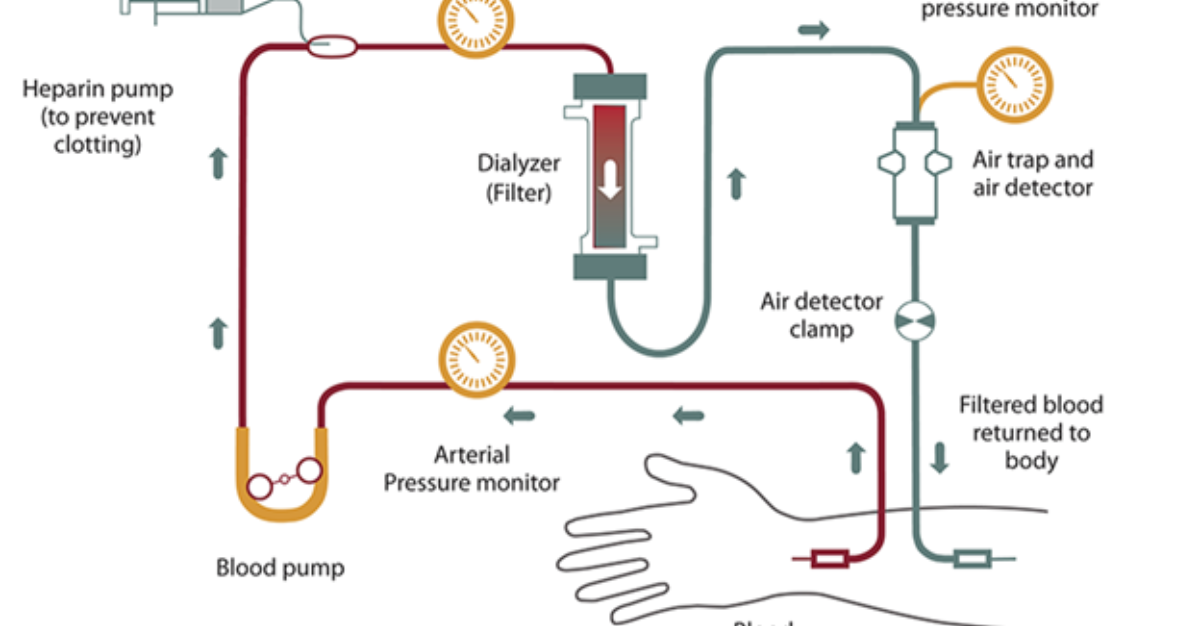
- Blood is taken out of the body and cleaned by a machine called a dialyzer.
- The cleaned blood is then put back into the body.
- This is usually done at a dialysis center a few times a week.

Photo Credit: National Institute of Diabetes and Digestive and Kidney Diseases
Peritoneal Dialysis:
- A special fluid is put into the belly, and it helps clean the blood inside the body.
- A cleansing fluid (dialysate) is introduced into the abdominal cavity through a catheter. Waste products and excess fluids pass from the blood vessels in the peritoneal lining into the dialysate.
- This type of dialysis can be done at home, giving more flexibility.

Photo Credit: National Kidney Foundation
3. Effectiveness of dialysis
Dialysis is great for removing extra stuff from the blood, but it doesn’t completely replace everything the kidneys do. It’s not a cure for kidney problems, but it helps manage them.
While all forms of dialysis are equally effective, certain treatment modalities may be more appropriate for you based on your unique medical needs and preferences. Your doctor and you will talk about this and choose the best place and kind of dialysis. Speaking with others who are coping with dialysis could also be beneficial if you want to gain insight from their experiences.
4. How Can You Make Dialysis Work Better?
- Stick to the schedule your doctor gives you for dialysis.
- Eat the way your kidney dietitian recommends.
- Stay active to keep your heart healthy and strong.
- Talk to your doctor and pharmacist about any medicines or vitamins you’re taking.
- If you’re worried or have questions, discuss them with your dialysis team.
5. Side Effects of Dialysis:
Both types of dialysis can have side effects. Some common ones are:
Hemodialysis:
- Blockage in the entrance point for the blood.
- Muscle cramps.
- Low blood pressure.
- Weakness, dizziness, or nausea.
- Losing some blood.
Peritoneal Dialysis:
- Weakness in your abdomen muscles, which can look like a lump or swollen area.
- Gaining weight.
Both Types:
- Infections in the skin, blood, or belly, can be serious.
- Feeling tired, especially if you’ve been on dialysis for a while.
- Itching skin, which is common in kidney disease.
Conclusion
For people with severe kidney problems, dialysis can be a lifesaver. It might be the only option while waiting for a kidney transplant.
Different types of dialysis exist, and the one that’s best for you depends on your health and preferences.
To determine which dialysis option is best for you, your healthcare professional can go over your options with you.
Medlink Healthcare Group offers professional dialysis transportation services that will bring patients to their appointments safe and on time. Visit https://www.mhg.sg/ambulance-services/ or you may contact us at +65 6909 3203 for more details.