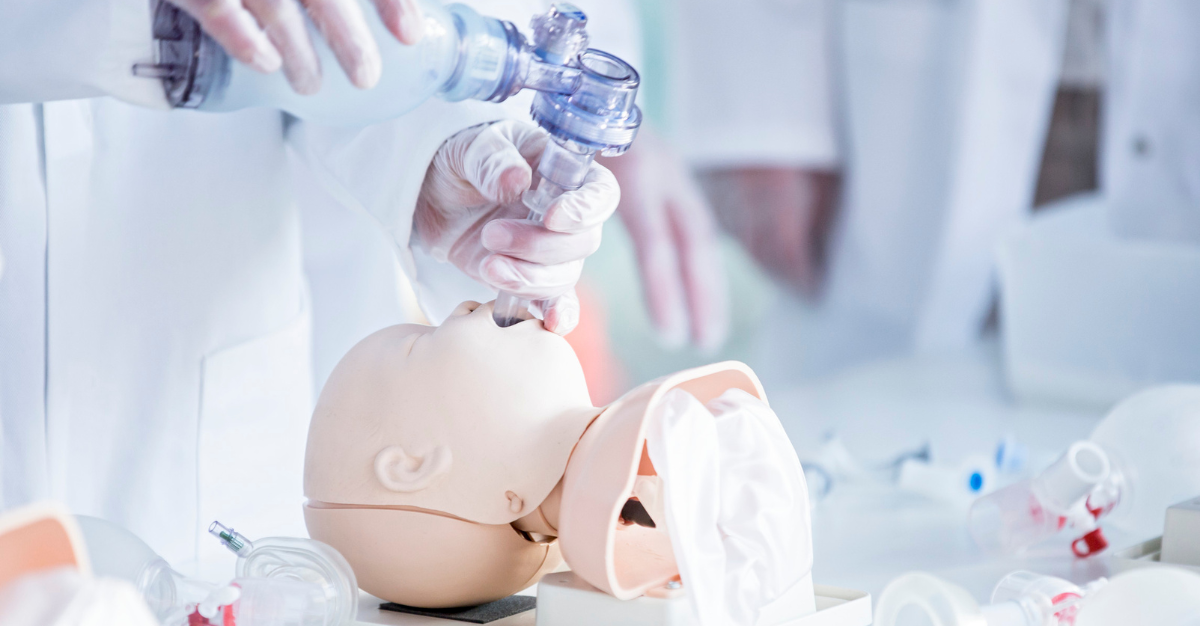
Our respiratory system is a complex and vital network responsible for the exchange of oxygen and carbon dioxide. It includes organs such as the lungs, trachea, and diaphragm. Understanding its structure and function is crucial to recognizing and managing respiratory emergencies.
Structure and Function of the Respiratory System
The respiratory system consists of the upper and lower respiratory tracts. The upper tract includes the nose, nasal cavity, and pharynx, while the lower tract encompasses the larynx, trachea, bronchi, and lungs. These components work together to deliver oxygen to the bloodstream and expel carbon dioxide from the body.
The lungs are the primary organs where gas exchange occurs. Tiny air sacs called alveoli facilitate this process. The diaphragm, a muscle located below the lungs, plays a key role in breathing by contracting and expanding to draw air in and out.
Causes of Respiratory Issues
Respiratory emergencies can arise from various causes, including:
- Asthma: A chronic condition characterized by inflammation and narrowing of the airways.
- Chronic Obstructive Pulmonary Disease (COPD): A group of lung diseases, such as emphysema and chronic bronchitis, that block airflow.
- Infections: Pneumonia and other infections can cause severe breathing difficulties.
- Trauma: Chest injuries can impair breathing.
- Allergic Reactions: Severe allergies can lead to anaphylaxis, causing the airways to swell.
Contributing Factors
Several factors contribute to respiratory issues:
- Smoking: Major cause of COPD and lung cancer.
- Pollution: Exposure to pollutants can exacerbate asthma and other respiratory conditions.
- Genetics: Family history of respiratory diseases increases risk.
Occupational Hazards: Certain jobs expose workers to harmful substances affecting lung health.
Precautions to Prevent Respiratory Emergencies
Preventive measures include:
- Avoiding smoking and secondhand smoke.
- Wearing protective gear in hazardous environments.
- Managing chronic conditions with medication and lifestyle changes.
- Ensuring vaccinations are up-to-date to prevent infections.
What to Do During a Respiratory Emergency
If someone experiences a respiratory emergency:
- Stay Calm: Panic can worsen the situation.
- Call Emergency Services: Dial emergency numbers immediately.
- Provide First Aid: Use rescue breathing or CPR if trained.
Use Medication: Administer prescribed inhalers or epinephrine auto-injectors.
Conclusion
Understanding the respiratory system and recognizing the causes, contributing factors, and preventive measures for respiratory emergencies can save lives. Stay informed, take precautions, and be prepared to act swiftly in case of an emergency with Medlink Healthcare Group.